
Start with the uneven path, not a removal decision
A raised paver beside a tree creates two questions: how to make the walking route usable and what is causing the movement. Treat those questions separately at first. A visible root can be relevant, but a photograph of a cracked path does not establish the whole cause or the right remedy. Record the affected area and arrange an assessment before authorising cutting below the surface. If the path is a trip hazard, restrict or redirect access in a practical way while the repair and tree questions are investigated.
Describe how the path is used. Is it the only step-free route to the front door, a seldom-used garden track or the access for bins and a mower? That use changes the urgency and the acceptable design alternatives. A homeowner who needs reliable mobility access may not be able to tolerate a rough temporary surface. Tell both the paving contractor and the arborist about that requirement. The goal is a usable route and an informed tree decision, rather than a repair chosen only because it can be completed quickly.
Record what moved and when you noticed it
Take ground-level photographs showing the whole path, nearby trees, drains, walls and buildings. Add close photographs of the change in level or opened joint without lifting material yourself. Note whether the issue appeared after other garden work, whether it has changed gradually and whether water collects nearby. If you have an older property photograph, keep it with the new images. This gives the inspecting professionals something more useful than an approximate statement that the paving has always been bad or suddenly became dangerous.
Record nearby work even if it seems unrelated. A changed downpipe, a replaced fence, recent trenching or a previous patch repair can help explain the sequence the assessor needs to consider. Do not turn that timeline into a diagnosis. Your notes should distinguish what you observed from what someone suggested. For example, write that a paver rose after the garden renovation, not that the renovation definitely caused root growth. Keeping those categories separate makes it easier for different specialists to compare evidence without inheriting an unsupported conclusion.
Give the arborist and paver different questions
Ask the arborist how the tree and any identified roots constrain the proposed repair. Ask the paving professional what is needed for a stable, usable surface and whether the route or construction detail can change. A structural concern about a building or retaining wall may need an appropriately qualified engineer as well. Make sure each person knows what the other has proposed. Otherwise the paver may price excavation that the arborist has not assessed, while the arborist recommends retention without knowing the access requirement the path must meet.
The Royal Horticultural Society's guidance on trees near buildings distinguishes different kinds of tree-related damage and explains that roots can affect paving. That does not prove the cause at your property. Ask for the observations supporting the actual diagnosis and the next investigation needed if it remains uncertain. If professional opinions differ, request that the disagreement be expressed as a specific question, such as whether an alternative path alignment avoids the affected area. That is more useful than choosing whichever person gives the simplest answer.
Do not make exploratory cutting the first step
A proposal to slice off the visible root and relay the pavers may sound like a small repair. It still changes a living tree. The International Society of Arboriculture's construction damage guidance explains that root disturbance, ground changes and compaction can harm trees, with effects that may not be immediate. Have the relevant roots and proposed disturbance assessed before work starts. Do not use an online distance rule or a neighbour's successful repair as permission to cut at your property.
If investigation requires exposing an area, ask who will specify and supervise the method and what happens when roots or services are found. The investigation should have a defined purpose and a stopping point. Avoid authorising open-ended excavation under an instruction to see what is there. Agree what will be protected, how the area will be left between visits and who can approve a change. This is particularly important when the path must remain available for daily access and an unfinished opening would create a second problem.
Compare route changes before selecting a surface
One option may be to move part of a garden path away from the conflict. Another may be a different construction detail designed around the tree. Neither is automatically feasible. Sketch the alternatives with the paving or landscape professional and have the arborist assess their implications. Include gate positions, door thresholds, drainage and the width needed for normal use. A route that avoids the tree but creates an awkward turn or directs water toward the house may solve one visible problem while creating another.
Ask what each option needs below the finished surface. Changing the visible material does not necessarily eliminate excavation, edging or compaction. A product described as flexible or permeable is not automatically suitable around a particular root system. Request a drawing or clear written description of the proposed preparation and supports, then give that to the arborist. Compare options on the entire construction method and expected upkeep, not just the appearance of the top layer. The most useful choice is one the relevant professionals can explain and deliver together.
Discuss root barriers as a designed intervention
If a contractor proposes a root barrier, ask what problem it is intended to address and how it would be installed at this established tree. The important questions include where the installation would occur, what excavation is required and whether existing roots would be affected. Do not accept the presence of a barrier in a quote as proof that the tree issue has been resolved. Ask who has assessed its suitability and what assumptions the proposed repair makes about future growth and ongoing inspection.
Compare that proposal with other routes to the same outcome, including moving the path or changing its detail. Request a clear explanation of the limitations of each option. A barrier may be proposed as one element of a larger design rather than a stand-alone fix. Keep the written advice and the final installation record together so that a later contractor knows what was installed and where. This is especially useful if the garden is eventually redesigned and someone considers digging through the same area without knowing the earlier decisions.
Find services before approving ground disturbance
Paving repairs can extend beyond lifting a loose surface. New edging, drainage or supporting work may involve excavation. Agree who will request service information and identify private garden connections. Before You Dig Australia's homeowner advice says the supplied utility plans are indicative and may omit details within a property. Tell the contractor about garden lighting, irrigation, pool equipment and connections to a shed. Those observations remain useful even when the original plans have been lost or the installations predate your ownership.
Include access covers, drainage grates and known pipe routes on the repair sketch. Ask how the design will preserve access to them. If an unexpected service appears, the work should pause for the relevant assessment instead of moving the trench slightly and continuing on assumption. Keep any locating information with the paving and tree documents. The purpose is a shared understanding of the ground being disturbed, so the person dealing with roots is not relying on a different or older site plan from the person installing the path.
Deal carefully with boundary and approval questions
The closest trunk may be on neighbouring land, and the affected roots may not be visible enough for you to identify their origin. Explain any boundary uncertainty to the assessor before commissioning work. Avoid promising your neighbour that the problem will be solved by cutting roots on your side. Keep the discussion focused on the observed paving issue and the proposed assessment. If access to the neighbouring property would help, agree that separately and let the professional explain what can be concluded without it.
Ask whether the proposed tree work requires approval or supporting evidence under current Central Coast controls. Do not assume that work below ground is outside those controls. Use Council's private tree works application information as a starting point for confirming the relevant process, then obtain advice for the actual operation. This page does not settle boundary rights or permission to damage a neighbour's tree. The existing boundary-tree guide is related reading, but a root and paving dispute may require its own professional advice.
Specify the repair handover and what to watch
Ask the paving contractor to describe the finished levels, edges, drainage and any temporary restrictions on use. Ask the arborist what follow-up is appropriate to the work that actually occurred. Keep photographs of the repair before covered details disappear, along with any agreed departures from the original scope. A handover that says only path fixed loses the information the next owner or contractor may need. Record where the repair begins and ends, what was retained and which parts of the property were deliberately left undisturbed.
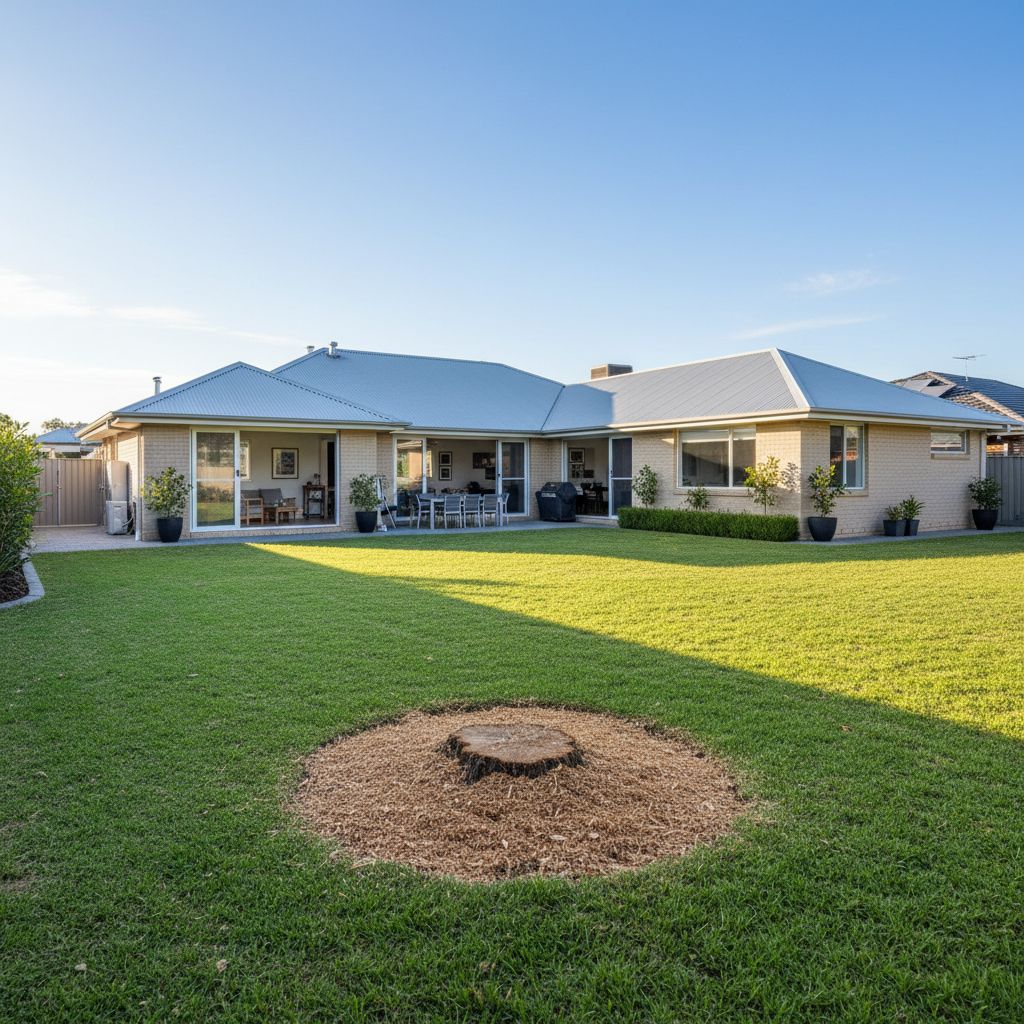
Agree whom to contact if the surface moves again or the tree changes after the work. The correct response may involve reviewing the earlier evidence rather than repeating the same patch. Keep a simple record of observations instead of checking against an invented universal timetable. If removal later becomes a proposed option, it needs its own assessment and approval discussion; it is not an automatic consequence of an unsuccessful paving repair. For owners starting from a dead stump rather than a living root conflict, the separate stump-grinding information addresses a different scope.
Prepare a root and paving enquiry
Select what you already know, then add the unresolved question. This creates a note to keep or share with your enquiry, not an assessment or permission to carry out work. Nothing entered here is sent to us.
Questions answered
Can I use a stump grinder on roots from a living tree?
Do not treat living roots as an ordinary stump-grinding job. Have the tree and the proposed operation assessed before deciding how to repair the surface.
Does an old crack prove the tree caused the damage?
No. Keep photographs and the repair history, then ask the relevant professional what supports the diagnosis and what other causes need investigation.
Must the tree be removed if the path keeps moving?
Recurring movement justifies reviewing the evidence and repair design. It does not by itself settle whether removal is appropriate or permitted.
Resolve the path problem before authorising root work
Send the path location, photographs and any earlier repair details with your enquiry. Ask which assessment and specialist coordination the proposed work needs.
Discuss your tree work Tap to call