
Describe the garden you want to keep
Selective clearing starts with a positive description of the finished garden. You may want a usable route to the rear fence, visibility around a shed or access to an overgrown corner while keeping shade and screening. Write those outcomes down before asking someone to clear the block. A direction such as tidy everything can be interpreted as removing much more vegetation than you intended. The contractor needs to know which spaces must become usable and which plants or areas remain outside the work.
For a Woy Woy homeowner, the priority might be recovering access beside a house without opening views into a neighbouring yard. An Erina owner may want to reach a neglected section of garden while retaining established canopy. Describe the actual access and privacy you need at your property. Do not substitute a suburb label for a site inspection. Walk the boundary of the intended work area with the person quoting and point out the living parts of the garden you value, including small plants that could disappear beneath general instructions about scrub.
Distinguish clearing, pruning and garden recovery
Clearing unwanted growth at ground level, pruning an existing tree and removing a tree are different operations. A contractor may be equipped for one or all of them, but the quote should identify each. If the problem is a blocked path, ask whether access can be restored without removing the overstorey tree. If the problem is an unidentified thicket, identification may need to come before a removal decision. Separating the operations helps you decide where an arborist, gardener or another specialist is needed.
The intended finish matters just as much. Cutting material down does not necessarily remove roots, level the ground or make an area ready for turf. A clearing contractor may leave an accessible but uneven garden surface that still needs landscaping. Ask what will remain visible and what later work is expected. If the owner wants a new lawn but the quote only describes brush cutting, both people can believe they agreed to clear the area while expecting completely different results. Resolve that difference in writing before machinery arrives.
Mark retention areas before marking removals
Start the site sketch with areas to retain: canopy trees, screening plants, garden beds, drainage routes and features that must not be used for access. Then draw the proposed clearing area around them. This approach makes conflicts visible before they become an argument about a cut plant. Photographs of the agreed boundary are helpful, especially where the work edge does not follow a fence or path. Use an agreed marking method that the crew understands and that does not damage retained plants.
Ask how the instructions will reach everyone doing the work. The person who quotes may not be the person operating the equipment or handling waste. A written sketch and a short pre-start walk-through reduce dependence on memory. Identify who can approve a change if the crew finds an unexpected tree, a hidden structure or a plant whose identity is uncertain. A practical default is to stop and ask about that specific item rather than expanding the removal area to keep the job moving.
Resolve plant identity and approval questions early
An overgrown appearance is not evidence that vegetation is unprotected or unwanted. If you do not know what a plant is, mark it as unidentified in the brief. Ask who will confirm its identity and whether that changes the proposed work. Avoid specifying removal by an uncertain common name copied from a photograph search. Where weed management is part of the request, distinguish the identified weed from neighbouring plants that you want retained. Give the contractor any earlier advice or notices that relate to the area.
Check the applicable approval pathway before cutting, including any conditions attached to previous development approvals. Central Coast Council's exempt tree works guidance describes circumstances that need careful checking; a general garden tidy is not a substitute for that check. This guide addresses selective garden work. If your purpose is bushfire hazard reduction, use the separate RFS clearing guide and the current official assessment for your property. Do not assume a garden-clearing quote also establishes bushfire entitlement or completes an approved hazard-reduction plan.
Choose access that does not sacrifice retained trees
Show the contractor how equipment and removed material could travel through the garden. A route between two trunks may appear open while passing over areas the arborist wants protected. Ask which surfaces can take the proposed movement and where temporary protection or a different handling method is needed. The International Society of Arboriculture's tree damage guidance explains that machinery, changed ground levels and root disturbance can affect retained trees. Keeping a trunk standing is not the same as protecting the whole tree.
Compare a smaller working area or staged hand removal with a proposal to drive equipment across the garden. The right choice depends on the inspected site, not on a rule that machinery is always good or always bad. Ask the contractor to describe the trade-off in effort, disturbance and finish. Where a large amount of material must pass a retained tree, the handling plan should be explicit. A no-go area on a sketch means little if the only agreed route for getting branches out passes through it.
Decide where cut material will go
A selective clearing job can produce a mixture of branches, leafy material, logs and material unsuitable for keeping in the garden. Ask which streams will be chipped, retained or removed and who determines whether material should be kept separate. Do not direct the crew to spread everything through the beds before plant identification and disposal decisions are complete. If there is suspected disease or problematic weed material, obtain advice about handling it rather than assuming that chipping resolves every concern.
Mark the intended stockpile position on the same plan as the retained plants. A convenient pile near the gate can block access, while a pile beneath retained trees can conflict with the protection plan. Ask whether the quote includes merely tipping material or actually spreading it in agreed beds. Those are different labour commitments. Our guide to keeping mulch and logs explains the handover questions in more detail. Choose the waste outcome before accepting the price so that you are not left arranging an unexpected second removal.
Specify the surface you will receive
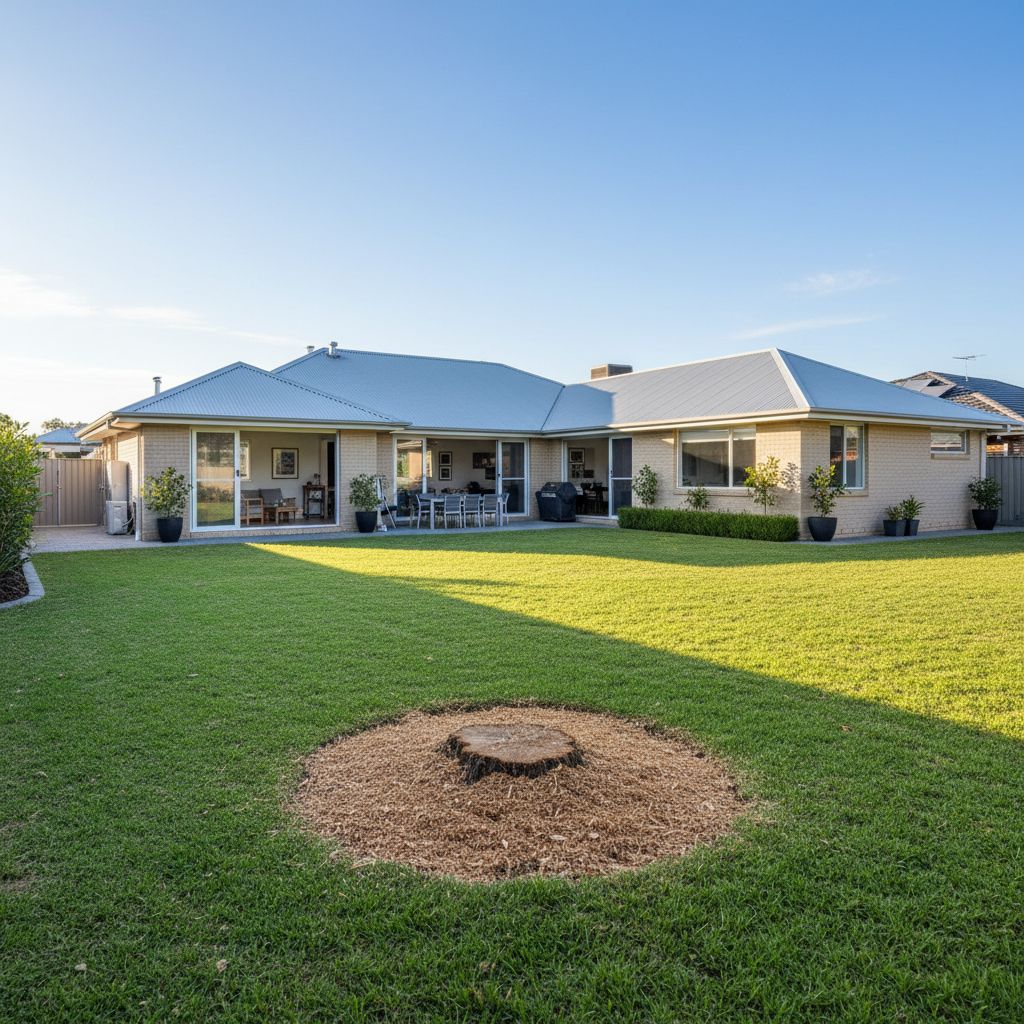
Discuss the finish in terms that can be checked on the day. Will the cleared route be free of loose branches? Are cut stems left visible? Does the scope include stump removal, raking, collecting litter or repairing any disturbed access surface? Ask the contractor to distinguish included work from the landscaping that follows. Avoid words such as spotless or completely cleared unless both parties define them. A natural garden surface may contain roots, rocks and uneven ground even after the agreed vegetation is removed.
If the area slopes or carries water after rain, ask how the proposed work affects the next stage of garden use and whether further advice is needed before changing levels or drainage. Do not request a bare, scraped surface simply because it looks finished in a photograph. Show the contractor where water currently travels and what lies downhill. The decision may be to retain ground cover, stage the work or commission a landscape response. The useful question is how the garden will function afterwards, not how exposed it can look on completion day.
Arrange follow-up by the cause of the problem
Before calling the job finished, ask what may return and what the owner must do next. A one-off cut-back can reopen an area without addressing the reason it became inaccessible. If particular plants are expected to regrow, ask for an identification-based follow-up plan and clarify whether treatment or repeat attendance is included. Avoid agreeing to an indefinite maintenance schedule without knowing the intended outcome. The follow-up should connect to the plants present, the work done and the way you want to use the space.
Walk the completed area against the original sketch and photographs. Confirm that retention areas remain intact, waste is where agreed and any unresolved item is recorded. Keep the plant identifiers and recommendations for the next gardener or contractor, particularly if you will not arrange the follow-up yourself. The strongest handover is a garden whose boundaries and next steps are understood. You should know which access has been restored, which vegetation was deliberately retained, and which decisions still need professional advice before further removal or ground disturbance.
Make a selective clearing brief
Select what you already know, then add the unresolved question. This creates a note to keep or share with your enquiry, not an assessment or permission to carry out work. Nothing entered here is sent to us.
Questions answered
Does selective clearing include stump removal?
Only if the scope says so. Ask separately about cut stems, roots and stump work, including access and services constraints.
Can I ask for a wildlife-sensitive approach?
Tell the contractor about observed nesting or animal activity before booking and ask how they will assess and manage it. Do not handle wildlife yourself or assume the clearing scope covers relocation.
What if a plant cannot be identified before the visit?
Mark it as unresolved and keep it outside the authorised removal list until the identification and any applicable restrictions are addressed.
Want access back without losing your screening?
Describe the part of the garden you want to use and the vegetation you want retained. Request a selective scope with a marked work boundary and waste outcome.
Discuss your tree work Tap to call